
Water Resistance Ratings: What the Numbers Actually Mean
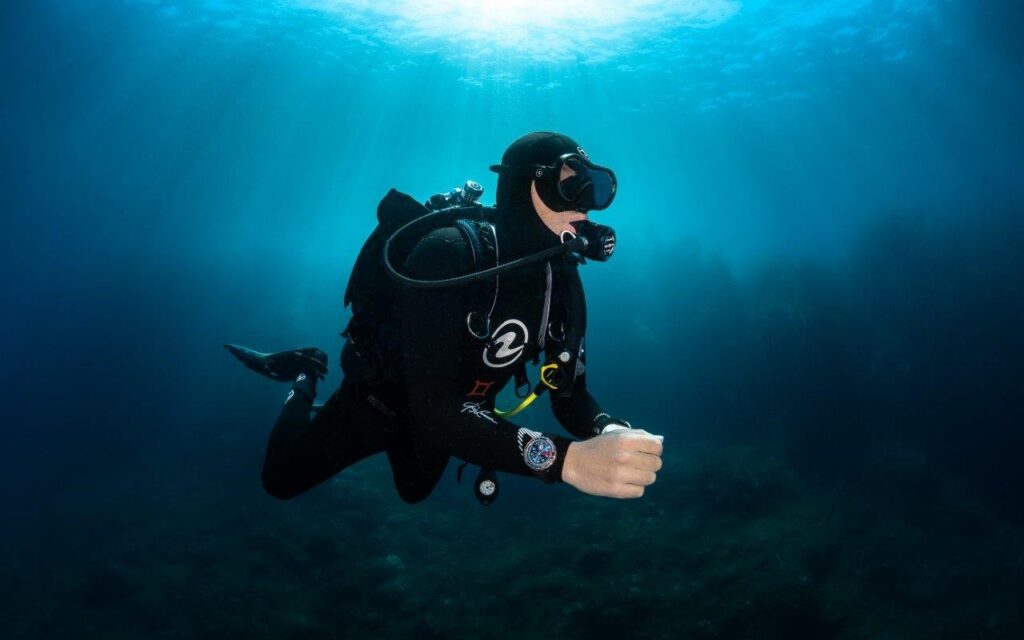
The water resistance number on a watch dial is the most misunderstood spec in this hobby, and brands like it that way. A watch that says 100m was not tested by dropping it 100 meters underwater. It was pressure tested sitting still in a lab, in clean water, with brand new seals. Nothing in that test looks like your arm swinging through the water on a swim stroke, and nothing about it holds up five years later when the gaskets have dried out. The number is a starting point. It is not a promise.
Here is how I actually read the ratings when I am buying. A 30m watch is a splash watch. Rain, hand washing, getting caught outside without an umbrella. That is it. It does not go in the shower and it does not go in the pool, no matter what the guy at the mall kiosk told you. A 50m watch can handle a quick dip if the seals are in good shape, but I do not push my luck with them. A 100m watch is where swimming starts to make sense. And 200m is where I stop thinking about it entirely, because that is a real diver with a screw-down crown.
The crown matters more than the number, honestly. My Glycine Combat Sub is rated 200m and has a screw-down crown, and it goes wherever I go. My Seiko 5 Sports is rated 100m and the specs say it can swim, but the crown just pushes in and pulls out, nothing screws down. On paper it is a swim watch. In practice it stays on the towel. A screw-down crown is a second layer of protection between the water and the inside of your watch, and once you have owned both kinds you start checking for it first.
A couple of things that will kill water resistance faster than any depth. Hot water is one. Showers and hot tubs cook the gaskets and soap helps water find its way past seals, so the watch comes off before the shower no matter what it is rated. Working the crown or the pushers while the watch is wet is the other one. Pulling a crown out to set the time with wet hands is basically opening a door and inviting water in. Chronograph pushers are the same story. If they do not screw down, you do not touch them anywhere near water.
The thing nobody tells you when you buy used is that water resistance expires. The seals are rubber. Rubber gets old, gets compressed, gets dry. A fifteen year old dive watch with 200m printed on the dial might have half that protection left, or none, and you cannot tell by looking at it. The only way to know is a pressure test, which most watch shops will do for thirty to fifty bucks. If I buy a used watch that I actually plan to get wet, that test is part of the purchase price as far as I am concerned. Skipping it to save forty dollars and then flooding a watch you love is a bad trade.
One last distinction, because listings blur it on purpose. A watch with a 200m rating is not automatically a dive watch. A real dive watch is certified to a standard, ISO 6425, that also requires a unidirectional bezel, serious lume, and a way to tell at a glance that the watch is still running. Plenty of 200m fashion watches have none of that. The rating alone tells you the case held pressure in a test once. The certification tells you somebody designed the whole watch to be trusted underwater.
Bottom line, the way I buy: match the rating to what you honestly do with a watch, care about the crown as much as the number, and treat the seals on any used watch as guilty until a pressure test proves them innocent. Do that and the number on the dial can go back to being what it should be, the least important thing about a good watch.