
Automatic vs. Quartz vs. Mechanical: What It Actually Means to Own One
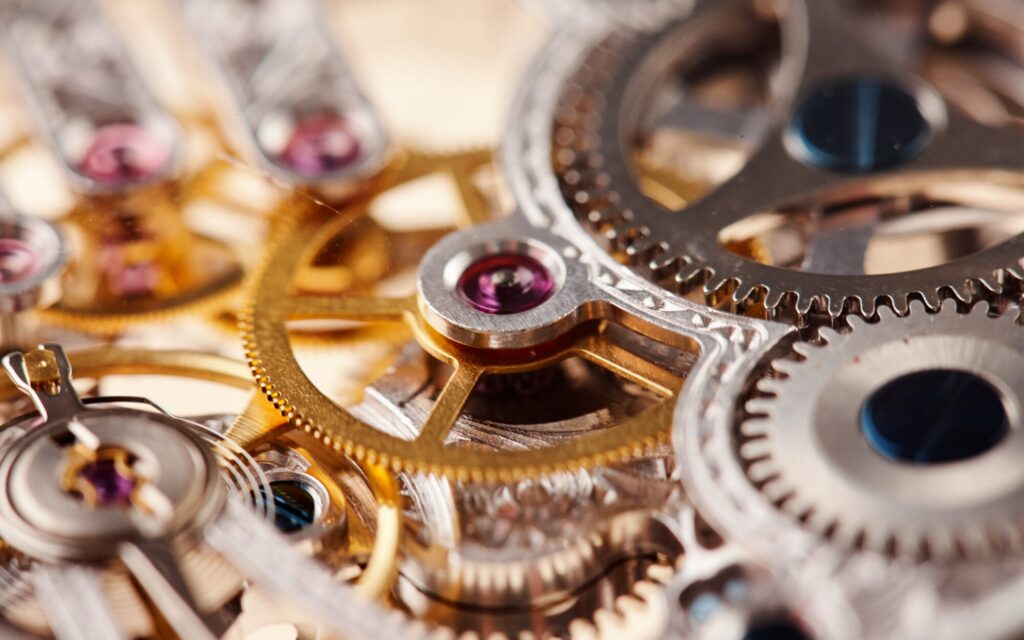
I own automatics, I own quartz, and I have movement parts spread across my bench right now for a GMT build I am putting together. I wear all of them. Every guide on the internet treats this like a war with a winner, and after a few years of buying, wearing, and occasionally taking watches apart, my honest answer is that they are different tools. The right question is not which one is better. It is which one fits how you actually live with a watch.
Quartz first, because it gets disrespected by people who should know better. A quartz watch is the most accurate thing you can put on your wrist at any price, full stop. A few seconds a month. No automatic I own comes close, and some of them cost ten times more. Two of my favorite watches in the box are my Vaer quartz watches. They ask nothing of me. I grab one when I am running late, it is right, it has been right since the last time I wore it, and it will be right next week. Maintenance is a battery every couple of years. My Citizens are Eco-Drive, so they do not even ask for that. They charge off light and just keep going. If your main relationship with a watch is that it should tell the correct time every time you look at it, quartz wins and it is not a close fight.
An automatic is a mechanical watch that winds itself off your wrist. There is a little weighted rotor inside that swings as you move and keeps the mainspring topped off. Wear it every day and it runs forever, in theory. Set it on the dresser for two days and most affordable automatics are dead by the time you pick it back up, because a typical power reserve is around 40 hours. Then you wind it, set it, and go. Some people call that a hassle. I call it the morning routine, and I would be lying if I said it was not part of why I like them.
Two features make or break an automatic for me, and they are the first things I check on any listing now. Hand-winding and hacking. Hacking means the second hand stops when you pull the crown, so you can set the watch to the second. Hand-winding means you can top it off at the crown instead of shaking it like a maraca. I found a Seiko Recraft at Macy’s a while back, liked everything about how it looked, and left it on the counter because the movement did neither. That is a deal breaker for me, and it is worth figuring out your own deal breakers before you buy instead of after.
Hand-wound mechanical is the oldest version of this. No rotor, you wind it every morning or two, and the watch is only alive because you keep it that way. Cases can be thinner without the rotor, and there is something honest about the ritual of it. It is also the easiest watch to forget about and find dead. I respect it more than I reach for it.
Now the part the spec sheets skip. Owning mechanical costs money over time. An automatic or hand-wound watch wants a real service every five years or so, and a competent watchmaker is going to charge you a couple hundred dollars for a basic movement, more for anything fancy. Quartz service is a battery and maybe a gasket. Run the five year math and the cheap automatic and the mid-range quartz are not as far apart in total cost as the price tags suggest. Nobody at the store mentions this. Budget for it anyway.
So what do I actually buy? Mostly automatics, because I like winding them, setting them, and knowing there is a tiny machine doing its job on my wrist. But the quartz watches are not going anywhere, and on the mornings when I just need to know the time and get out the door, they are the ones I grab. Buy the movement that matches your life. The snobbery in this hobby is free, and worth exactly that.